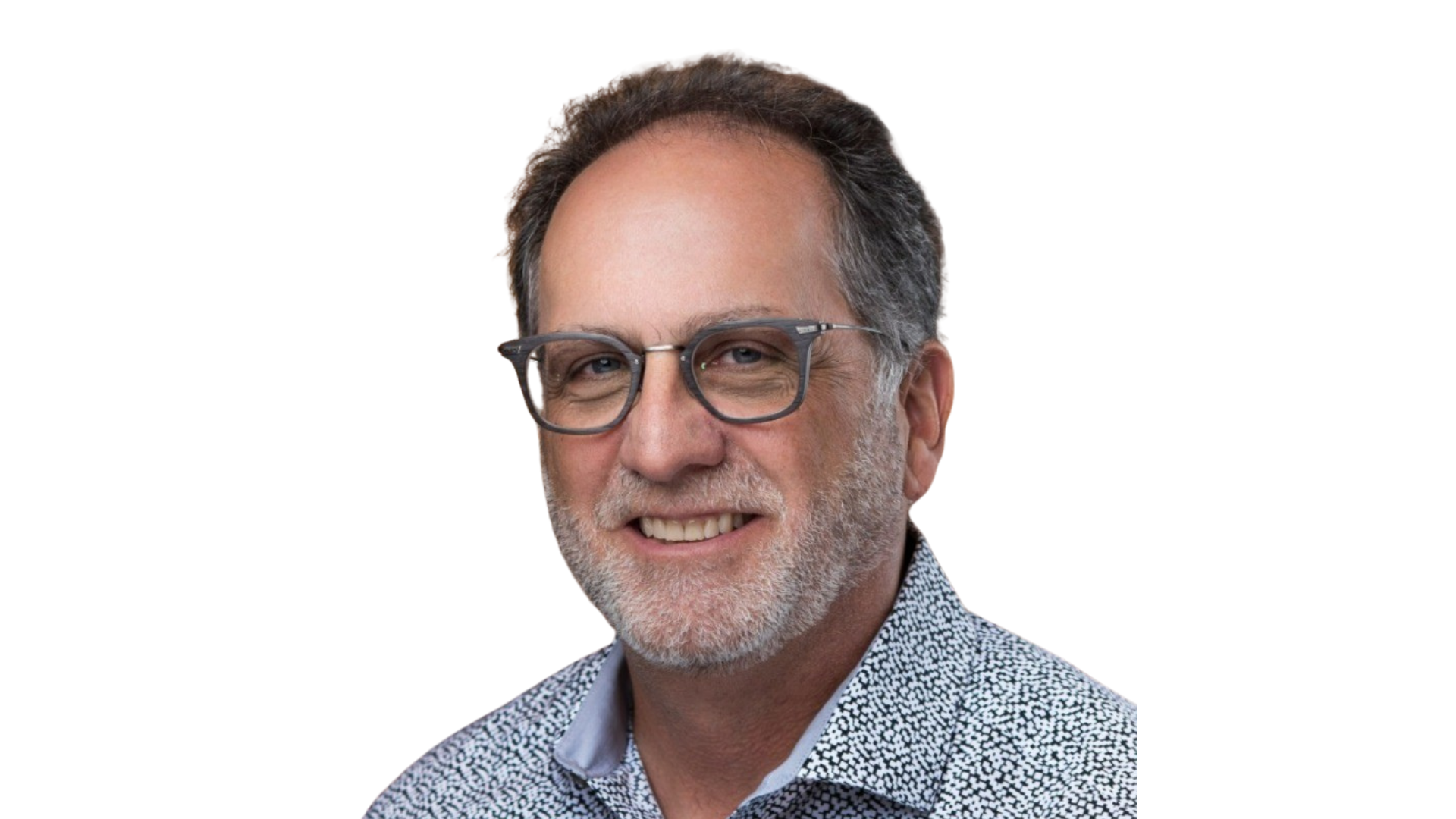
Employee Success Story: Patrick Nazzaro’s Journey from R&D Leader to GM
As Patrick Nazzaro prepares to step into retirement, he reflects on a career spanning more than four decades. From his early days in aerospace engineering to leading software businesses through multiple ownership transitions, his path was shaped by very different operating environments, and the lessons that came with them.
Earlier in his career, Patrick navigated a challenging acquisition under a previous owner. The business was later acquired by Constellation, providing a long-term home for both him and his colleagues. Having experienced both models firsthand, Patrick offers a unique perspective on the challenges and opportunities that come with different owners.
In this conversation, Patrick looks back on the milestones, experiences, and people who influenced his journey.
Tell us about the early stages of your career.
My career starts back about 40 years ago. I began in engineering; I did both my Bachelors and Masters in Aerospace and went to work at Boeing after graduating.
While I was finishing my masters, I had a bit of an epiphany. I realized I enjoyed writing software more than the aerospace side of things.
So, in 1995, I took a leap of faith and joined a small company called MAJIQ. I was hired by Steve Latham, who I knew through a mutual colleage at Boeing. Steve and I went on to work together most of our careers.
At the time, MAJIQ was an agile and customer focused team of about 40 people. We built custom software based on whatever our customers needed. There was a lot of freedom to do what needed to be done, and we had just enough process to keep ourselves from imploding.
In 2002, MAJIQ was first acquired by a strategic acquiror (not Constellation) with a more centralized structure. What was your role at the time, and what was it like operating under new ownership?
By that point, I was a senior developer and technical architect on the R&D team, overseeing the design, development, and deployment of key aspects of our software products.
There’s always some uncertainty with a change in ownership, but ultimately, we did struggle to find our stride post-acquisition. The culture fit was mismatched, and we lost the independence that had once made us successful.
Our new owner tried to rebrand our product under their name, which can be common when two businesses in the same market join forces. But sadly for the team, there were periods where we weren’t sure if our product would even continue given the uncertainty.
In 2010, MAJIQ was carved out and acquired by Constellation Software. What was that experience like for you?
After several years of this misalignment, we were approached by Constellation Software about a potential carve out from our current owner. This time around I was more directly involved in the due diligence process and was exposed to the processes an acquirer goes through to review everything from financials to the customer base to our development processes.
It was fascinating to see how deeply Constellation understood our business. Despite the previous acquisition, our team felt very comfortable. Going through such a detailed process gave us the opportunity to get to know the folks on the other side quite well, which gave us confidence that this would be a positive change.
How did the business react to the acquisition by Constellation?
I remember the day Steve announced the acquisition to the MAJIQ team. He stood up in front of the whole business wearing a shirt branded with our current owner’s logo. He then announced we were joining Constellation and then revealed a MAJIQ t-shirt underneath. The room erupted, we knew we were getting our identity back.
After the carve-out, we quickly regained our independence and realized the broader ecosystem was made up of companies that thought the same way; they were nimble, client-focused, and operating like owners.
After joining Constellation, you went from leading R&D to becoming the General Manager of POMS. How did that progression happen?
Around 2014, I started asking myself what was next for my career. I had been leading the R&D team for about 10 years and was ready for a change.
In 2015, I decided to step out of the R&D leadership role and into product management as an individual contributor. I wanted to try something different and broaden my perspective. At the same time, I became more interested in the financial side of the business.
I was fortunate to have a mentor in Steve. He shared a lot of his experience with me and helped me learn what it takes to run a business.
Around this same time, I made it known to Steve that I was interested in leading a company one day. Given the nature of the business, I assumed that opportunity would come through a new acquisition, but it turned out differently.
Acquired in 2012, POMS was already an established business inside the Constellation ecosystem. In 2018 the business had gone through some changes and was looking for a new leader. Given my experience in the manufacturing space Steve put my name forth. So, after my short stint in in product management, I was given the opportunity to join POMS as their General Manager.
What was it like stepping into the General Manager role at POMS?
When I joined, it was an interesting time for the business and for myself personally. I was honoured to be given the opportunity and excited to take on something new.
POMS had strong fundamentals, but organic growth had been limited, and the organization was quite siloed. Having come out of Honeywell, there was still some legacy thinking that shaped how the business operated.
What made the transition manageable and, ultimately, rewarding was the environment around me. Stepping into a GM role for the first time comes with a steep learning curve, but I wasn’t doing it in isolation. Firstly, the team at POMS were incredibly supportive – I wouldn’t have had half the success I did without them. And across Constellation, there’s a real willingness to share what’s worked and what hasn’t. I was able to lean on peers who had gone through similar transitions, tap into proven operating approaches, and learn from people who were generous with their time and perspective.
The support of the broader organization made a big difference. It helped me build confidence in the role and stay resilient through the inevitable challenges that come with change. My focus became empowering the team to finish the build of the next version of the product. Modernizing POMSnet was key to strengthening customer relationships and improving our position in the market; but just as important was building a culture that was more connected, more open, and better equipped to grow.
How did the broader Constellation ecosystem support your development over time?
Collaboration has always been a big part of the culture at Constellation. When I joined through the acquisition of MAJIQ, there were fewer business units, so you had direct access to very experienced leaders. I benefited greatly from learning directly from those who shaped the business to be what it is today.
As the organization grew, more structured programs like Perseus Epic reinforced that culture of knowledge sharing, which ultimately helped me and my team grow more than we could have ever on our own.
How does being part of the broader network of businesses inside Constellation influence how you operate?
As you move up in an organization, you’re dealing with more ambiguity. There are more variables, and decisions become more complex. Being part of the Constellation network reduces that ambiguity tenfold. You have access to people who have seen similar situations before, and you can learn from their experience.
What’s next for you in this next chapter?
My wife and I are planning to spend our early retirement years exploring Europe.
We’ve set up a home base in Ireland and will be moving there in May. From there, we’ll take the opportunity to explore both Ireland and beyond!
Back to Insights